

2026-05-12
Unveiling the Secrets of PiratesBooty, the Thrilling Treasure Hunt Adventure
Dive into the captivating world of PiratesBooty and discover the treasures that await within this enthralling game.

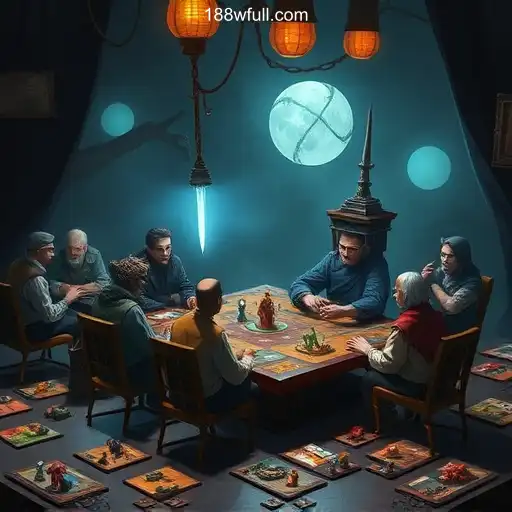
The world of gaming has evolved exponentially, yet amidst this digital evolution, tabletop games have maintained a solid presence. Stemming from ancient strategy games like chess and Go, the world of tabletop gaming today encompasses a vast array of genres and styles, inviting players to engage in shared narratives, strategy showdowns, and cooperative challenges. This enduring appeal raises the question: what keeps tabletop games at the forefront of gaming culture?
Tabletop gaming offers unique experiences that digital games often cannot replicate. The tactile sensation of moving pieces across a board, the immediate feedback from fellow players' expressions, and the sociability of face-to-face interaction create an immersive atmosphere. Furthermore, tabletop games often encourage collaboration and healthy competition, fostering communication skills and strategic thinking.
As these games developed in complexity, they began to cater to a broader audience. Whether enjoying a lighthearted game of "Catan" or becoming embroiled in the deep mechanics of "Gloomhaven," what's clear is that these games offer something for everyone. Tabletop gaming can unify groups of strangers at conventions or engage families around the dining table, appealing to individuals of all ages and backgrounds.
Tabletop games can be divided into genres, each bringing its own set of mechanics and player experiences. Eurogames, such as "Ticket to Ride" and "Agricola," emphasize strategy, resource management, and economic themes, often eschewing direct conflict. Meanwhile, Ameritrash games like "Zombicide" or "Descent" focus on storytelling, thematic elements, and often incorporate miniatures, adding physical depth to the experience.
Role-playing games (RPGs), such as "Dungeons & Dragons," create open-ended storytelling opportunities. These games use rulebooks, character sheets, and dice, but fundamentally hinge on the players' imaginations as they navigate fantastical worlds with endless possibilities. Cooperative games, like "Pandemic" or "Arkham Horror", pit players against the game itself, requiring teamwork and strategic planning to achieve a common goal.
In recent years, online platforms have begun to influence tabletop gaming significantly. Websites like 188w.com - ☀️ Plataforma oficial de jogos - 188w Login have provided spaces where enthusiasts can engage with other players worldwide, even transforming traditionally physical games into digital formats. These platforms act as bridges for tabletop enthusiasts who, for reasons of distance or scheduling, cannot meet in person. Explore the platform here.
These online venues host tournaments, discussions, and digital game sessions, expanding the reach of tabletop games to a broader audience. Not only do they make games more accessible, but they enrich the communal aspect of gaming by removing geographical barriers.
The modern industry has embraced the innovation and creativity inherent in tabletop games, leading to an explosion of new and diverse titles being published each year. Crowdfunding platforms have played a vital role in this renaissance, empowering independent creators to bring unique games to life. As a result, the gaming community benefits from a continual influx of fresh and exciting ideas.
It's not just the quantity of games that has grown, but the quality and depth as well. Modern tabletop games often feature stunning artwork, intricately detailed components, and complex narratives that rival their digital counterparts. The engaging physicality coupled with rich storytelling elements makes these games an attractive option for both casual and passionate gamers.
Perhaps the most important element that sets tabletop games apart is the community they build. Board game cafes and gaming events provide social environments that encourage players to meet, play, and share their gaming experiences. Friendships are forged over the tabletop, and many people find communities centered around shared interests in specific games or genres.
This strong social aspect contributes significantly to the enduring popularity of tabletop games, as players seek out communities where they feel connected and valued. In a world increasingly driven by digital interactions, these face-to-face experiences offer a refreshing alternative.
In the evolving landscape of gaming, tabletop games hold a significant and enduring role. Their appeal lies not only in the games themselves but in the social dynamics, strategic depth, and innovative storytelling they offer. As online platforms like 188w.com enhance accessibility and broaden the scope of who can engage in these experiences, the future seems bright for tabletop gaming. These adventures, both physical and digital, continue to capture the imaginations and connections of players around the globe.
Dive into the captivating world of PiratesBooty and discover the treasures that await within this enthralling game.

Explore the electrifying world of RaveJump2, an immersive gaming experience offered on 188w.com - a premier platform for thrilling online adventures.

An in-depth exploration of FortuneGems, an engaging online gaming experience available on 188w.com.