The Complex World of Jueteng: A Deep Dive into the Underground Lottery Phenomenon
Understanding Jueteng
Jueteng is a popular illegal numbers game in the Philippines, deeply rooted in the country's socio-economic fabric. Its origins can be traced back to the Spanish colonial era, and it continues to thrive today, often entangled with issues of corruption, politics, and poverty. Despite being outlawed, Jueteng persists largely due to its accessibility and the promise of quick wealth, making it a staple in many Filipino communities.
The Mechanics of Jueteng
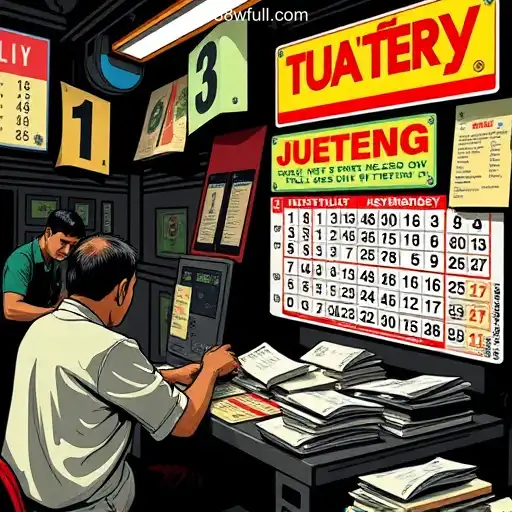
The game itself is relatively simple. Participants select a combination of two numbers, typically ranging from 1 to 37. Bets are placed through a network of collectors known as "cobradores," who gather wagers from players. The winning numbers are drawn randomly, often multiple times a day, and winners are paid a predetermined amount based on their initial wager.
This simplicity, combined with the low entry cost, makes Jueteng particularly attractive to those in lower-income brackets. It offers a gamble with the potential for significant financial reward, even though the odds of winning are relatively low.
The Role of 188w.com in the Gambling Landscape
In the age of technology, platforms like 188w.com have emerged, providing alternatives to traditional gambling. 188w.com is branded as the "☀️ Plataforma oficial de jogos" offering various gaming options, including lottery-like experiences, through digital means. However, unlike Jueteng, which operates under the radar, platforms such as 188w.com adhere to strict regulations and offer legal gambling solutions to their users.
For many players seeking legitimate gaming opportunities, accessing 188w Login allows them to participate in a variety of games without engaging in illegal activities. This shift towards legalized, digital platforms reflects broader trends in society towards regulated and safer gambling practices.
Jueteng and the Economy
The economic impact of Jueteng is a double-edged sword. On one hand, it provides financial opportunities for those involved in its operations, from bet collectors to draw coordinators. On the other, it deprives the government of potential tax revenues that could be generated from legalizing and regulating such activities.
Despite its illegality, Jueteng operates as a significant underground economy. Its persistence suggests that numerous stakeholders, including those in power, benefit from its continued existence. This complicity often hinders efforts to eradicate the game, even as it poses ethical and societal challenges.
The Societal Implications
At its core, Jueteng is more than just an illicit lottery; it is a social phenomenon that reflects underlying issues within Filipino society. Poverty, lack of educational opportunities, and limited access to employment force many to turn to such games as a means of survival. Jueteng acts as a coping mechanism for those marginalized by the system.
The game's prevalence also echoes themes of social injustice and corruption, as local officials and law enforcement officers are frequently accused of accepting bribes to allow its operation. The blurred lines between legality and illegality create a complex environment that perpetuates cycles of dependency and inequity.
Political Connections
Politicians often find themselves embroiled in Jueteng controversies, demonstrating the game's pervasive reach. Allegations of politicians receiving kickbacks from Jueteng operators are not uncommon, adding a layer of political intrigue to an already complex issue.
During elections, some candidates are rumored to use Jueteng to garner support, leveraging the game's extensive network to mobilize votes. This connection between gambling and politics underscores the significant influence Jueteng holds within the political landscape.
Efforts to Combat Jueteng
Multiple attempts have been made to curtail Jueteng's spread. These efforts range from increased law enforcement operations to proposals for legalization under strict regulation. The rationale behind legalization includes the potential for increased government revenue and the ability to monitor and control gambling more effectively.
However, these efforts face significant resistance, both from those who profit from the current system and from communities that view Jueteng as a cultural tradition rather than a criminal activity. The cultural acceptance of Jueteng complicates enforcement and highlights the need for comprehensive strategies that address its root causes.
Conclusion: A Multifaceted Issue
Jueteng remains a deeply ingrained aspect of Philippine society, representing a convergence of economy, culture, and politics. Addressing the complexities of Jueteng requires more than just legal enforcement; it demands a nuanced approach that considers its socio-economic implications and the broader context of gambling in the Philippines.